
In both strong markets and downturns, multifamily owners and operators are under constant pressure to maximize revenue and protect net operating income. When rent growth slows or operating costs rise, the focus often shifts from topline leasing velocity to the quieter, more durable work of extracting additional value from existing residents. Ancillary revenue has increasingly become a central lever in this effort.
Historically, two of the most dependable sources of ancillary income have been parking and pets. Premium parking options such as reserved spaces, covered or garage parking, and EV charging can add hundreds of dollars per month to a resident’s total spend, often with minimal incremental investment. Similarly, as pet ownership continues to rise, pet fees and recurring pet rent have proven to be both resilient and broadly accepted by residents, particularly when positioned as an alternative to across-the-board rent increases.
But as these categories mature, many operators are asking a more forward-looking question: where does the next layer of ancillary revenue come from? Beyond the obvious line items, a growing number of owners are experimenting with less traditional programs that monetize services, access, convenience, and partnerships, often blurring the line between operations, amenities, and resident experience. Some of these initiatives are subtle, others unconventional, but all aim to unlock incremental NOI without materially increasing staffing burdens or capital exposure.
This report from Insights By Blueprint explores a range of these lesser-known and emerging ancillary revenue strategies, drawing on operator and Advisory Council interviews.
“Space as a Service” (Monetizing Underused Square Footage)
It may not always seem obvious, but most multifamily buildings have a lot of underutilized floor space. This includes basements, common areas, hallways, rooftops, and even walls. Some of these are already likely used for amenities like laundry, but there are many other creative ways that buildings can get more out of them.
1. Micro Co-working and Private Office Pods
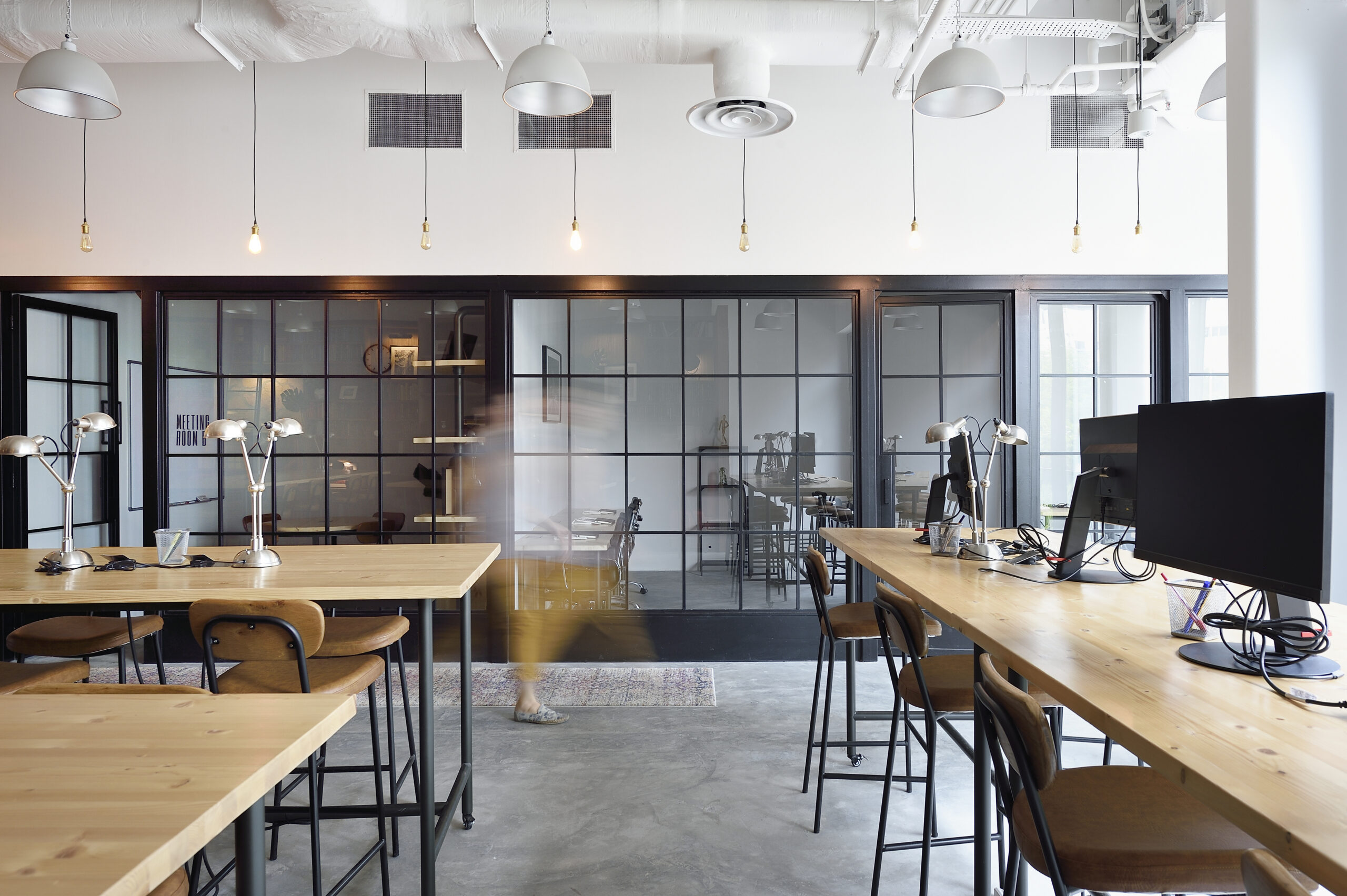
Rather than eliminating demand for office space, remote work has fundamentally reduced tolerance for commuting, shifting value toward high-quality on-site work environments. Many residents set up workspaces in their home, but distractions (like children and pets) can prove challenging. As a result, residents increasingly seek quiet, private, and reliably connected spaces — such as phone booths, reservable focus rooms, and small private offices — that allow them to take calls, focus deeply, or work full days without leaving the property. These small private spaces can be priced through monthly subscription models or by hourly access. Importantly, a resident’s willingness to pay is driven less by novelty and more by daily utility: they are not paying for “an amenity,” but for productivity, bandwidth, and time reclaimed.
2. Specialty Storage
Beyond traditional basement storage cages, operators are increasingly monetizing wine lockers, dedicated bike rooms, ski and snowboard storage, surfboard racks in coastal markets, and other gear-specific solutions that signal a community understands how residents actually live. Seasonal storage subscriptions — allowing residents to rotate items like holiday décor, winter gear, or recreational equipment on a flexible basis — add another layer of convenience while smoothing demand throughout the year. Once constructed, these storage offerings are relatively inexpensive to operate, yet they can command meaningful monthly fees because they eliminate friction, protect valuable personal items, and reinforce a sense of premium service. In this way, specialty storage functions less as a physical amenity and more as a lifestyle utility — one that delivers durable NOI with minimal ongoing operational burden.
3. Third-Party Storage
Most multifamily buildings offer storage for residents, but on average those lockers are only about 30% occupied. There are now services like Neighbor that have devised systems where the remaining 70% can be refitted and rented out to non-residents in the surrounding community who actually need storage.
“Operators often know exactly how many units they have, but they often have no idea how many … storage lockers they actually own until someone goes out and counts them, says Joseph Woodbury, the CEO of Neighbor. “For ancillary revenue teams, this is usually the lowest-maintenance, easiest income stream they have.”
4. Data, Access & Infrastructure Leasing
One frequently overlooked — but increasingly attractive — ancillary revenue stream for multifamily owners is rooftop and building-infrastructure leasing. These arrangements allow operators to monetize unused vertical real estate by hosting assets such as cell towers, 5G and small-cell antennas, internet service provider equipment, or IoT gateways tied to smart-city networks.
From a resident perspective, these installations are largely invisible and have little to no impact on the living experience. But from a financial standpoint the upside can be meaningful: individual installations can generate roughly $1,000 to $5,000 or more per month, typically under long-term contracts spanning 10 to 20 years. Once executed, these leases impose minimal ongoing operational burden, require little staff involvement, and deliver highly predictable income.
5. Advertising and Media (Done Tastefully…)
Advertising and media opportunities are often overlooked in multifamily portfolios, yet digital signage can generate incremental revenue when deployed thoughtfully. Screens placed in high-dwell, low-friction locations — such as package rooms, elevator lobbies, and fitness centers — can create predictable impressions without disrupting the resident experience. Revenue is typically driven by a mix of local businesses, national brands, and on-property vendors seeking targeted access to a defined resident audience. The key constraint is execution: no one wants to be subjected to thoughtless ads. So any signage needs to feel intentional and curated.
Lifestyle-Driven Monetization: Where Multifamily Bleeds Into Hospitality
Lifestyle-driven monetization in multifamily increasingly mirrors the logic of hospitality: residents will tend to resist paying higher rent for static amenities, but may be more willing to spend on “experiences” that feel optional, social, and curated.
Ticketed programming — such as rooftop dinners, fitness classes, guest speaker events, or hands-on cooking workshops — create a clear value exchange that residents intuitively understand. Rather than bundling costs into rent, operators can then monetize these “moments,” usually in common areas. These experiences tend to feel scarce and intentional, which reframes payment as participation rather than surcharge. The result is incremental revenue that aligns with their lifestyle aspirations (rather than being thought of as a monthly capital commitment like rent).
Event-based monetization also carries an operational advantage: flexibility. Unlike permanent amenities, experiences can be scaled, paused, or adjusted based on demand, seasonality, and resident feedback. Sponsorships — from local restaurants, wellness brands, or service providers — can offset costs or even turn events into profit centers while strengthening neighborhood ties. Importantly, these programs build social cohesion and community identity without adding ongoing maintenance, staffing, or depreciation burdens to the asset. In effect, operators achieve many of the cultural benefits traditionally associated with amenities, but with far less balance-sheet drag.
Short-Term Furnished & Corporate Rentals
Short-term furnished and corporate rentals offer multifamily owners a compelling way to unlock higher yield from a subset of units without fundamentally changing the core operating model of a property. These units can generate meaningfully higher effective rents than traditional long-term leases by capturing demand from corporate relocations, project-based workers, traveling professionals, and insurers placing displaced residents. In many markets, this demand is both steady and counter-cyclical, providing owners with a flexible revenue layer that can outperform standard leases on a per-unit basis.
Another advantage of short-term furnished inventory is its strategic flexibility. Corporate leases, insurance housing, and month-to-month furnished units allow owners to dynamically adjust pricing and availability based on market conditions, seasonality, and portfolio needs. Units can be rotated back into the conventional lease pool during peak leasing seasons or held as premium short-term offerings when demand spikes. This optionality is particularly attractive for urban and mixed-use assets, where proximity to employment centers, hospitals, and infrastructure creates consistent short-stay demand without relying on transient tourism.
Airbnb launched a new program last year seeking to help multifamily owners allow their tenants to host on Airbnb on a part-time basis so they can earn extra money when they go on vacation or when a big event is in town. Eliza Lochner, the company’s senior marketing lead for real estate says that these tools “allow property management to set building rules like night limits, occupancy limits, quiet hours, etc and take a share of their residents’ booking revenue to … drive ancillary revenue.”
She notes that there are operators who host their units directly too. “Sometimes they do this and allow their tenants to host in the same building,” says Lochner. “Sentral is a great example. They use our tools for the entire building and there are several benefits beyond the building-wide rules that auto-populate host listings — we also have building pages to help with guest discoverability and there is the Airbnb-friendly Marketplace that drives no cost leads to our partners’ buildings.”
The Bottom Line
At the end of the day, the best ancillary ideas tend to share three traits: they generate recurring or contract-based revenue, require little to no ongoing staff involvement, and feel like they’re solving a real resident or operational pain point rather than nickel-and-diming tenants.
By contrast, the “clever” ideas that fall apart usually do so for predictable reasons — they demand constant programming or oversight, depend on unrealistically perfect utilization, or introduce new points of friction. In practice, the filter isn’t creativity; it’s operational durability.
-David Hirschman