
When many multifamily operators hear the word “wellness,” they often picture luxury towers with large budgets devoted to spa facilities and other high-end amenities.
But wellness in multifamily isn’t limited to luxury properties or expensive features. Instead, it reflects a broader philosophy about how communities are designed to support residents’ physical and mental well-being. That can include everything from improved indoor air quality to relatively simple programming, such as community events that encourage social connection.
Wellness in multifamily is shifting to practical strategies that support everyday living, such as better air quality, access to nature, and social programming. While wellness features can influence leasing and retention, our report finds that the most effective approaches are often low-cost, community-driven initiatives rather than high-end amenity builds.
The wellness trickle-down effect
Wellness is not simply a fancy yoga studio added during renovations. Instead, it reflects a broader approach embedded throughout a building’s design.
“Wellness isn’t limited to one asset class,” said Katherine Johnston, a senior research fellow at the Global Wellness Institute. “It can — and should — be incorporated into any type of real estate project.” While luxury towers helped popularize wellness-focused design, the concept is increasingly appearing across a wider range of housing types, including Class A rentals, mixed condo–rental developments, co-living communities, senior housing, and affordable housing.
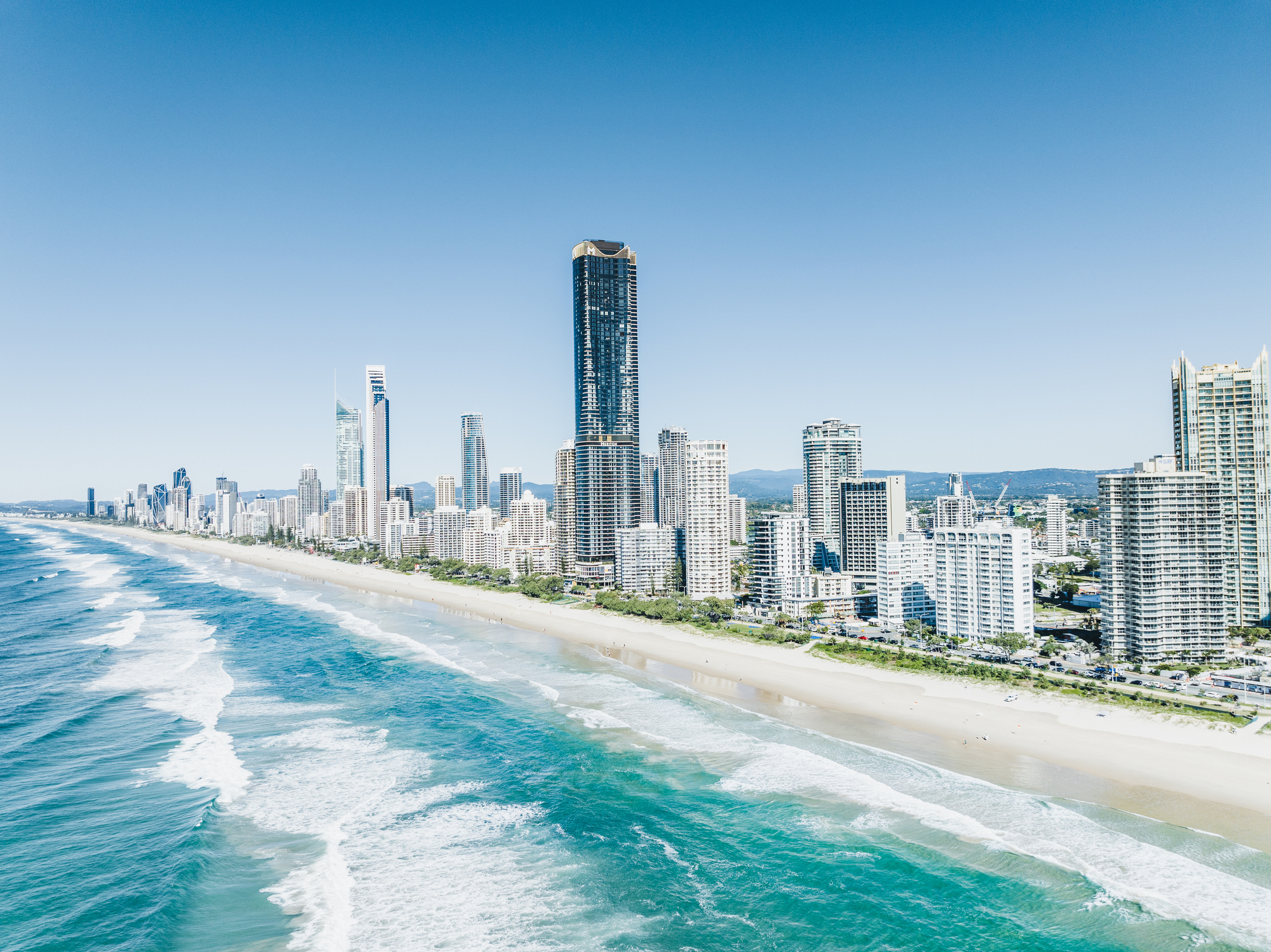
Boston’s Millennium Tower, which opened in 2016, offers one example of how these ideas appear in luxury buildings. Eric Rollo, a Boston-based real estate agent with The Agency who has worked extensively in the multifamily sector, said that entering newer luxury properties like Millennium Tower is like “a serene experience.”
Some of the wellness amenities at Millennium Tower include a 75-foot indoor swimming pool and spa, as well as one of the largest residential-only fitness centers in Boston. Professional spa treatments are available for residents. Beyond that, recreation rooms and social club spaces support group activities and wellness programming.
Rollo said these types of perks are no longer limited to ultra-luxury developments. “These types of wellness amenities have almost become an expectation for many multifamily projects that I’ve worked on,” Rollo said. While not every property may have wellness amenities quite as lavish, they are trickling down in other forms.
Do wellness amenities really move the needle, though?
One of the most common questions surrounding wellness real estate is whether it generates measurable financial returns. Evidence can be hard to find, and much of it is generated by groups with an agenda, such as those that publish wellness research or issue wellness certifications. But some data does exist.
A 2024 survey by the National Multifamily Housing Council and Kingsley Associates found that 70 percent of renters say access to high-quality fitness and wellness amenities influences their leasing decisions. These features can also strengthen retention. Research from the Institute of Real Estate Management shows that properties offering active wellness programming report retention rates 15 to 20 percent higher than comparable communities without such programs.
At the same time, some industry leaders urge caution when investing in expensive amenity builds. Donald Davidoff, longtime multifamily operator and CEO and co-founder of Real Estate Business Analytics, notes that previous development cycles saw properties rush to install features like movie theaters and entertainment lounges, many of which later sat underused or required costly repurposing.
Those lessons have made many operators more selective about wellness investments, focusing instead on cost-effective strategies that enhance the resident experience without creating amenities that may fall out of favor or fail to generate measurable returns.
Read our previous report on multifamily amenities here.
The pandemic’s lasting impact
COVID-19 accelerated the multifamily industry’s focus on wellness by making health risks — and the importance of preventive care — more visible to residents. The pandemic also heightened mental health challenges such as stress and isolation, increasing interest in activities that support emotional well-being, including yoga, meditation, and community-building programs. As many traditional gyms closed during lockdowns, residents increasingly turned to home workouts and virtual fitness, boosting demand for wellness amenities within residential buildings.
Demand for these features was already growing before the pandemic. Multifamily amenity data shows that health and recreation spaces are among the most common shared features in apartment communities. Approximately 82% of apartment properties include a fitness center, making it the most prevalent amenity in rental housing. Swimming pools appear in roughly 74% of properties, while shared resident lounges are present in about 47% of communities.
Two additional key themes emerged during the pandemic that continue to shape multifamily development today:
Increased awareness of indoor air quality
Before the pandemic, issues like ventilation and indoor air quality were often discussed primarily within building engineering circles. A property manager may have known the finer points of IAQ, but most apartment residents didn’t. Today, residents are far more aware of how air quality, ventilation systems, and building materials can affect their health. As a result, multifamily operators are placing greater emphasis on ventilation systems, filtration and air-quality improvements, and on healthier building materials.
Concern about indoor air quality surged during the pandemic and has not necessarily disappeared. While fears of virus transmission have declined, indoor air quality remains the most commonly cited health concern among renters.
Research from the Harvard Joint Center for Housing Studies shows that 54 percent of renters who worry about housing-related health impacts cite indoor air quality as their top concern. The pandemic also triggered a lasting shift in how people think about buildings and ventilation, with researchers noting “fundamental shifts” in public awareness of indoor air health.
The ‘great indoor shift’
Even before COVID-19, the U.S. Environmental Protection Agency estimated that Americans spend about 90 percent of their time indoors, including in homes, workplaces, and vehicles. During the pandemic, this statistic gained renewed attention as scientists highlighted the role indoor environments play in disease transmission.
The pandemic appears to have permanently changed daily behavior. A study analyzing data from more than 34,000 Americans found that people still spend about 51 minutes less per day outside the home compared with 2019. Time spent on out-of-home activities fell from roughly 5.5 hours per day before the pandemic to about 4.5 hours per day during COVID-19, and has only partially recovered since then.
Researchers describe this shift as a lasting “great indoor shift” in how Americans structure their daily lives.
‘Comfortable, safe, and at home’
In dense urban environments, developers are increasingly designing buildings to function as personal sanctuaries. In newer multifamily properties, the resident journey often begins with a carefully designed arrival experience: quiet lobbies, natural building materials, and calming aesthetics that create a sense of relaxation immediately upon entry.
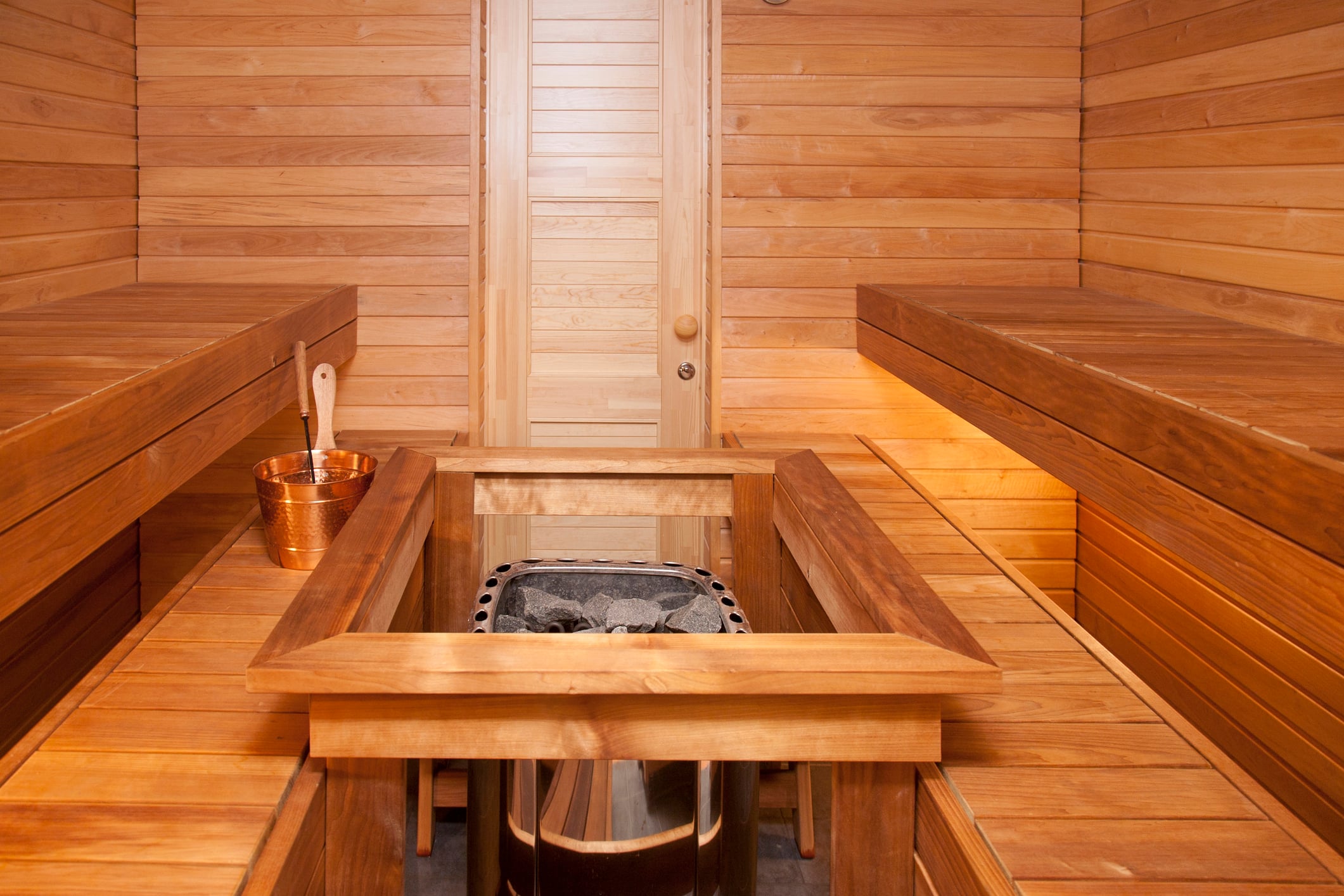
Beyond the lobby, wellness-oriented design elements may include meditation or quiet rooms, yoga studios, spa-style fitness facilities, saunas in fitness centers, scent-based design or aromatherapy, and enhanced air-quality systems. Together, these elements aim to create an environment where residents feel comfortable, safe, and restored after leaving the pressures of the outside world.
“Aromatherapy is one wellness amenity that seems to have real staying power,” Rollo told us. “Think about a place like an Equinox gym. They use calming scents throughout the space, and those smells create a strong emotional connection that makes people feel comfortable, safe, and at home.”
Another emerging trend is the idea that multifamily properties should support a wide range of daily activities within a single building. Many operators are designing communities that allow residents to work remotely, exercise, socialize, relax, and pursue wellness activities without leaving the property. In some respects, this model mirrors coworking environments like WeWork, where the goal is to provide multiple functional spaces within one ecosystem. For multifamily operators, the strategy can also support business objectives. When residents feel their building supports many aspects of their lifestyle, they may be more likely to renew leases and remain in place longer.
Social connection: a core strategy
While wellness amenities often receive attention as marketing tools, most operators view them as resident retention strategies. Communities that encourage social interaction and offer engaging shared spaces can help foster a sense of belonging among residents. Programming can play a key role here. Communities that host events such as fitness classes, cooking demonstrations, and happy hours gain a competitive advantage. These activities help activate common areas while encouraging residents to form connections with neighbors.
When residents build social relationships within their building, turnover rates often decline, an outcome that directly benefits property performance. “You can design great amenities, but people still have to use them,” Johnston said. “What we often see in successful projects is programming that activates those spaces, whether it’s fitness classes, social events, or simple gatherings that encourage residents to come down and interact.”
For example, golf simulators have appeared in an increasing number of new developments. Inspired in part by the popularity of venues like Topgolf, these spaces offer residents an opportunity to socialize casually while engaging in light recreation. The trend reflects a broader shift in how wellness is defined within multifamily communities. Increasingly, wellness includes social well-being, not just physical health.
Turning amenities into experiences
Many multifamily communities include fitness centers, but simply providing equipment doesn’t always translate into consistent resident engagement. Fitness programming, particularly guided classes, can help activate these spaces by lowering barriers to participation and creating opportunities for social connection.
According to Nick Tyree, co-founder and president of Guided Fitness, the impact of fitness programming can vary depending on the type of property. Luxury communities often feature expansive fitness centers that resemble commercial gyms, while many other properties offer smaller, more informal spaces. In either case, programming can help operators make better use of existing amenities. However, effective programming does not always require a dedicated gym. Classes can take place in a variety of shared spaces, allowing properties to offer wellness programming without major capital investments. “Even communities that don’t have traditional fitness centers can still host classes,” Tyree explained. “Our yoga classes often happen in a lounge or outdoors, so there are ways to engage residents even outside of the standard fitness center space.”
For many residents, the biggest obstacle to using a fitness center is not access to equipment but uncertainty about how to use it. Tyree noted that a significant portion of residents participating in multifamily fitness programming are relatively new to structured exercise. That uncertainty can lead to hesitation, particularly in communal gym environments where residents may feel self-conscious about exercising in front of others. Guided classes can help address those concerns by providing instruction and a supportive environment.
Fitness programming can also provide practical benefits for residents. In higher-end communities in particular, gym memberships can represent a significant monthly expense. Providing classes within the building can eliminate the need for residents to maintain a separate membership elsewhere. “When you bring classes into the community, it becomes a massive cost saver for residents,” Tyree said. “Instead of spending $100 or $150 on a gym membership, you have it where you live, and you’re connecting with people in your building at the same time.”
Convenience is another factor. Residents can participate in wellness activities without leaving the building, which can be especially appealing during inclement weather or busy workweeks. “People like the idea that they can just take the elevator downstairs to a class,” Tyree said.
The features with staying power
While wellness has become a central theme in multifamily development, not every trend proves durable. Some pandemic-era concepts, such as antibacterial surface treatments, gained attention quickly but have since faded. Likewise, more experimental ideas circulating in the broader wellness industry — including biohacking or lifespan longevity-focused facilities — have yet to gain meaningful traction in residential buildings. The trends with staying power tend to focus on fundamentals: air quality, natural materials, access to nature, social interaction, and well-designed fitness and relaxation spaces. Increasingly, developers are also embracing biophilic design, which aims to strengthen residents’ connection to the natural environment.
“We’re seeing a much stronger embrace of connecting people with nature and biophilic design,” Johnston said. “That can mean bringing nature indoors, creating access to outdoor green spaces, or designing buildings so residents feel more connected to the environment around them.” Wellness-focused projects are also taking a more holistic view of resident wellbeing, placing greater emphasis on social interaction and mental health. In many cases, that approach extends beyond the building itself.
“You start to recognize that a building isn’t just a standalone project,” Johnston said. “It’s part of a larger place, with things like walkability, transit access, and other neighborhood resources that support healthy lifestyles.”
Wellness without the luxury price tag
Many multifamily operators are discovering that meaningful wellness strategies often come from thoughtful design decisions, effective programming, and intentional use of existing spaces rather than expensive new features. Improvements such as better air quality, access to nature, social programming, and flexible shared spaces can significantly enhance the resident experience.
For developers and property managers, the challenge is not simply adding amenities but creating environments that support how residents actually live. When wellness strategies are implemented thoughtfully — through both design and programming — they can strengthen community ties, improve resident satisfaction, and ultimately support stronger property performance. Small, strategic changes have a lasting impact on how residents experience their homes.
– Nick Pipitone
Got feedback or tips? Email Nick at [email protected]